The EMR Ontario is Building Toward: Day 5: What Would the Perfect EMR Look Like?
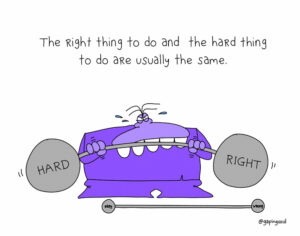 Over the last four days I’ve taken this procurement apart: what it is, what it means, why change is hard, and what it takes to succeed. Today, to wrap up, here’s the question I find most interesting: what would the perfect EMR actually look like?
If you look past the procurement language, this RFP is really a love letter to an EMR that hasn’t been built yet. So let me describe it for you, not as a list of features, but as an experience.
A platform, not a product
The perfect EMR isn’t a monolith you install and hope for the best. It’s built like Lego, where the data, the logic, and what you see on screen are separate pieces. This way, it can change without needing to start over. You shape your workflow by setting preferences instead of hiring programmers. The province can send out shared templates and guidelines, but your clinic still controls how things work locally. Write something once and use it everywhere.
It holds your data. It doesn’t own it.
It uses a common language, the same one used by hospitals, labs, and specialists, so information moves automatically in the background as the patient moves. No faxing. No re-entering data. And you can take all your information with you at any time, in open formats. Custody, not ownership.
Intelligence that gives us our time back
AI in this system isn’t just a flashy add-on in the corner of the screen. It’s quiet, works in the background, and always explains what it does:
- The inbox organizes and summarizes itself, handling labs, imaging, referrals, and messages, and you can edit every summary.
- Summaries are tailored to whoever is looking. The front desk sees one version, the family doctor sees another, and the surgeon sees something different.
- Messy scanned PDFs and free-text notes are quietly turned into usable, searchable information, and you don’t have to do anything.
- The scribe drafts; you approve. The system analyzes and makes more of what is there.
Every suggestion is clear, points to its evidence, and can be changed if needed. It saves you time instead of giving you extra work supervising the technology.
We don’t need artificial intelligence as a panacea. We need software that truly understands how care works.
Ready for the helpers that are coming

The perfect EMR is designed so trusted AI assistants can safely help with tasks like booking, drafting, and following up on results. There are strong safeguards in place, checking consent, purpose, and rules before anything happens. Helpful agents, strong boundaries, no chaos.
An open marketplace, not a walled garden
New tools come through a storefront where you can browse in plain language, compare prices and reviews, click to install, and try them in a test environment before using them with real patients. You don’t need a separate procurement process for every add-on.
Awake, not asleep
The record is no longer just a filing cabinet. It becomes a lookout and a spotlight. It notices when a diabetic patient is overdue for a test, when a result needs attention, when a referral goes missing, or when a prescription should be renewed. The patient is part of the system too, booking appointments, filling out intake forms before arriving, uploading home readings, and reading their results in plain language.
Fair, and built for all of Ontario (and maybe even for all of Canada)
Fully bilingual. Accessible by design. Able to honour Indigenous data governance. Usable on a phone, and functional when the bandwidth is thin, because “primary care” includes the rural, the remote, and the places we too often forget. And in a perfect world, available to the patient herself.
The catch
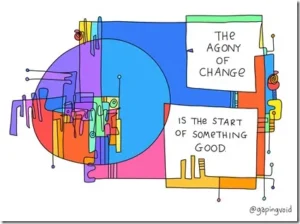
I’ll leave you with this. Everything above can be built, and much of it will be. But a perfect EMR that doctors won’t use is worth nothing. So the real requirements for perfection include things that no scoring table can measure:
- It moves my twenty years of records without losing my source of truth.
- It makes my day better on day one, not in a future release.
- It lets me leave, so I’m willing to arrive.
- And it earns my trust one previously exhausted but now re-energized clinician at a time.
Ontario has outlined a truly better EMR. Building it is an engineering challenge. Getting primary care to embrace it is a human challenge.
And as always, the human question is the one that truly matters.
I can’t wait to see what comes next!

